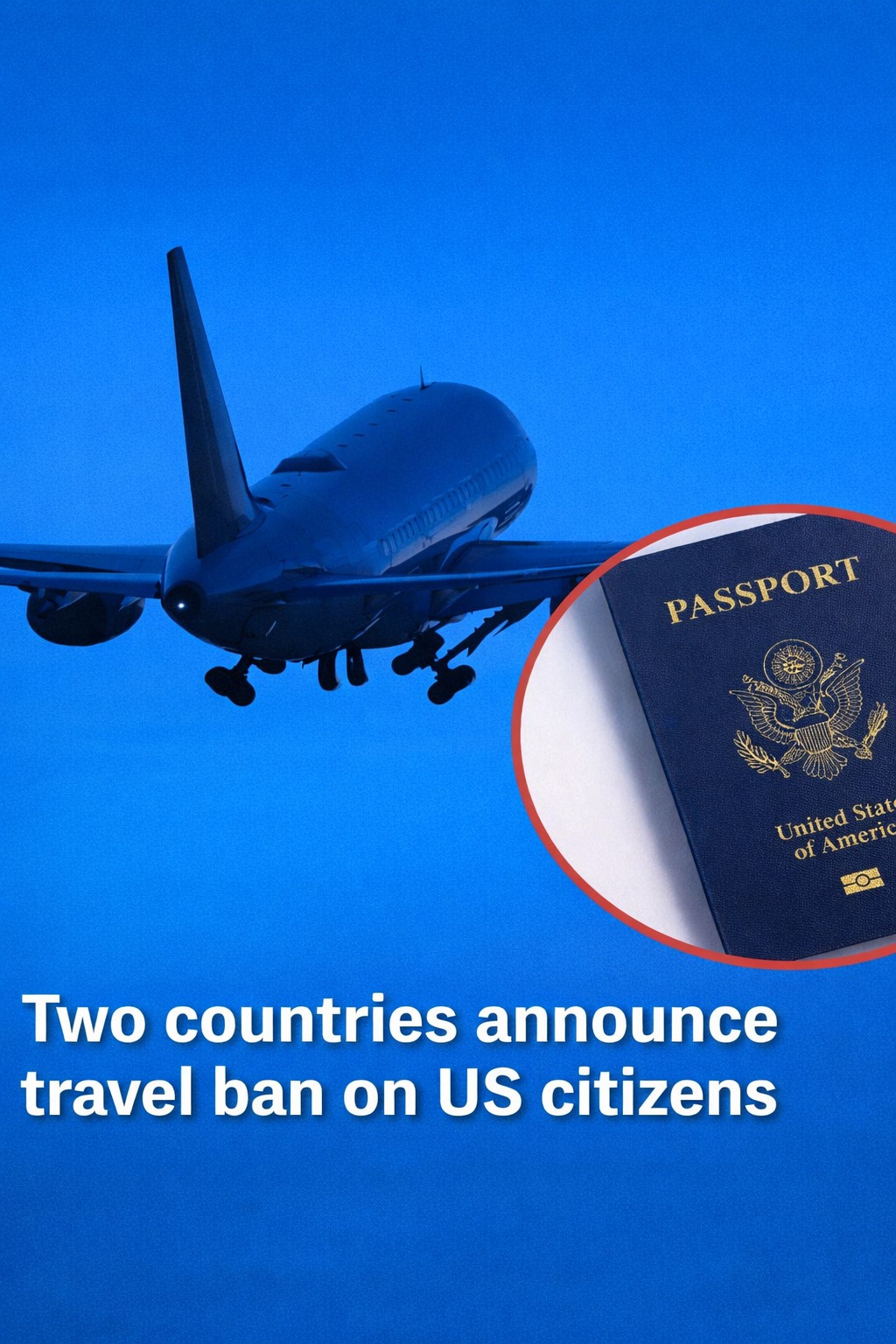
International travel rules often change quietly, but recent decisions by two West African nations have sent a clearer message to U.S. travelers. New entry restrictions highlight how diplomacy increasingly shapes who can cross borders and under what conditions. What appears to be routine visa policy is, in reality, part of a broader debate over fairness, reciprocity, and political relationships.
In Niger, officials announced the suspension of visas for U.S. passport holders, describing the move as a reciprocal response to restrictions placed by the United States on Nigerien officials following recent political developments. While authorities stressed the decision was not meant as retaliation, they framed it as an effort to ensure equal treatment between countries and reinforce balanced diplomatic relations.
Elsewhere in the region, changes have been more subtle. Mali and Burkina Faso have not officially banned American travelers, but reports indicate longer processing times, additional paperwork, and increased scrutiny at border crossings. These measures are tied to ongoing security concerns and shifting relationships with Western governments. Rather than outright restrictions, entry decisions are often handled case by case, making travel planning less predictable.
U.S. officials typically describe visa limits as administrative steps based on security and governance standards, not actions targeting civilians. However, leaders in West Africa argue such policies often deepen existing inequalities in global mobility. The effects extend beyond politics, impacting families, aid workers, students, and researchers. Past cases, including temporary restrictions later reversed, suggest policies may evolve again. For now, the changes reflect a period of reassessment where future access may depend on continued dialogue and rebuilding trust.